T5 Willis Thomas Sykes
– 709th Ordnance L.M. Company –
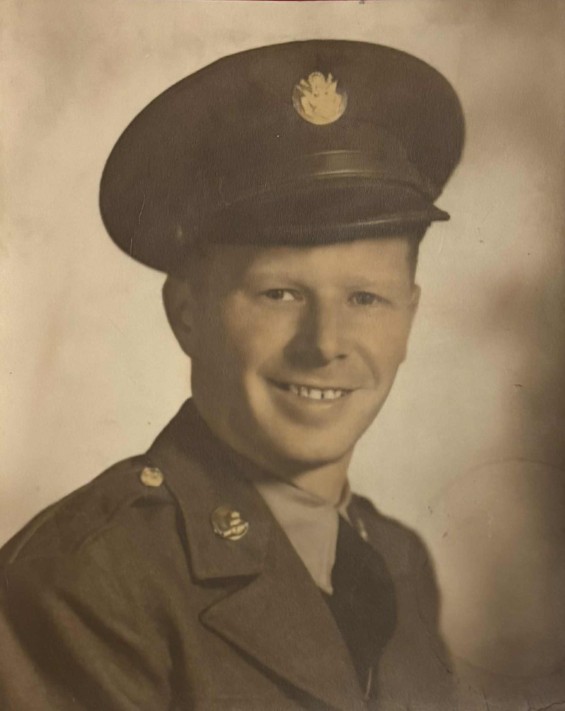
Willis Thomas Sykes was born on April 27, 1913 in Cleveland, Ohio to William Sykes and Adah Bailey. He was one of two children, the other being his twin brother Vernon Sykes. As a young man Willis worked at Snap-On Tools Company in Cleveland, a key supplier to the military during World War II. It produced tools for aircraft and ground equipment which led to material innovations like the use of nickel alloy steel.
On October 16, 1940 Willis registered with the Selective Service Board No. 16 in Cuyahoga County. Around two years later on May 8, 1942 he enlisted in the United States Army. After basic training Willis moved to Fort Bragg, North Carolina where he started training with the 709th Ordnance Light Maintenance Company of the 9th Infantry Division. The 709th Ordnance Company was activated on the 22nd of September, 1942. It was made up of six officers and 150 enlisted men from the Ordnance Section, 9th Division and the Ordnance Maintenance Platoon of the Ninth Quartermaster Company, both at Fort Bragg, North Carolina.
Trained as specialists, the company furnished a detachment to take part in the initial amphibious landing in French Morocco in late 1942. The unit, including Willis, left the United States on December 12th and arrived at Casablanca on December 24th. They moved across Algeria and Tunisia with the Division, hitting Port Lyautey, Tiemcen, Relizane, Orleansville, L’Arba, Tebessa, Gafsa Gare, Sedjedane and Bizerte, formerly occupied by the German Afrika Corps.
At Tebessa, men of the 709th took a 10-ton wrecker to a point on the infantry lines and “stole” an eight wheeled German scout car in plain view of the enemy. Again at Gafsa Gare, Tunisia, men of the 709th took their wreckers to points sometimes as much as 600 yards in front of the German lines to retrieve half tracks under aerial and artillery bombardment.
Sometime in 1943, a detachment of the company accompanied the 39th Infantry Regiment into Sicily. Here the men were subjected to sniping and enemy air raids at night and during the early morning. In July, the rest of the company sailed into Palermo Harbor, just in time to be caught in a German air raid on harbor installations.
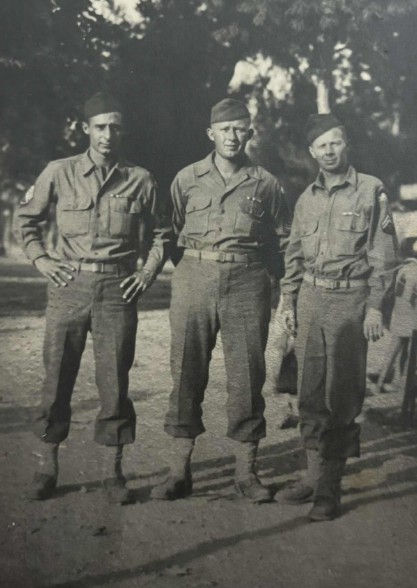
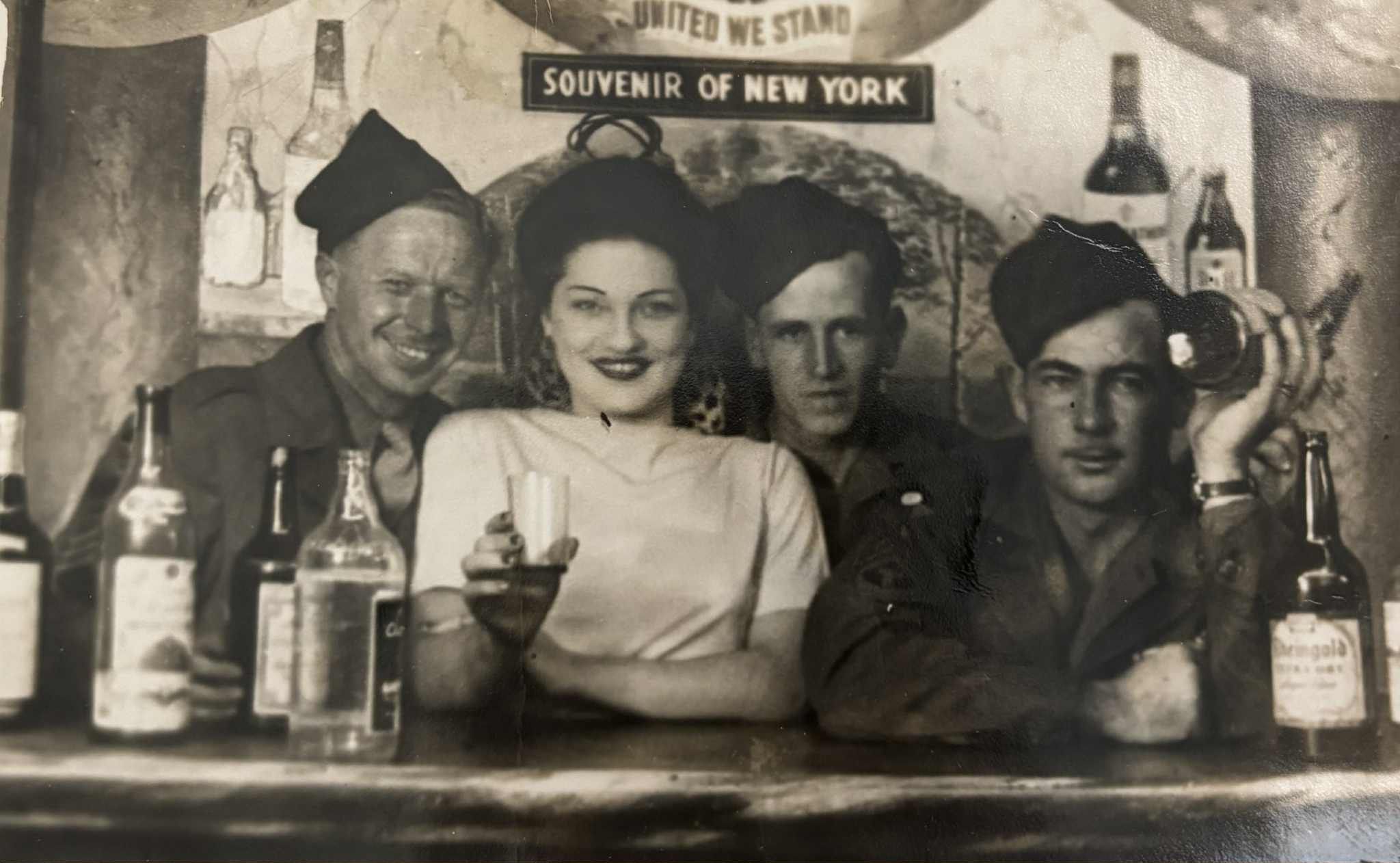
After his time in Italy, Willis was sent to England, of his time there, many photos exist including some of him and his friends.
In June, 1944 Willis was sent to western Europe, along with the rest of the 9th Infantry Division to help with the liberation of France. Five small detachments fought their way onto Utah Beach with five Division units and the main part of the company followed them up in landing boats and barges. Once in Europe, they set about capturing the Germans who straggled in the retreat, repaired, refitted and salvaged war-damaged vehicles.
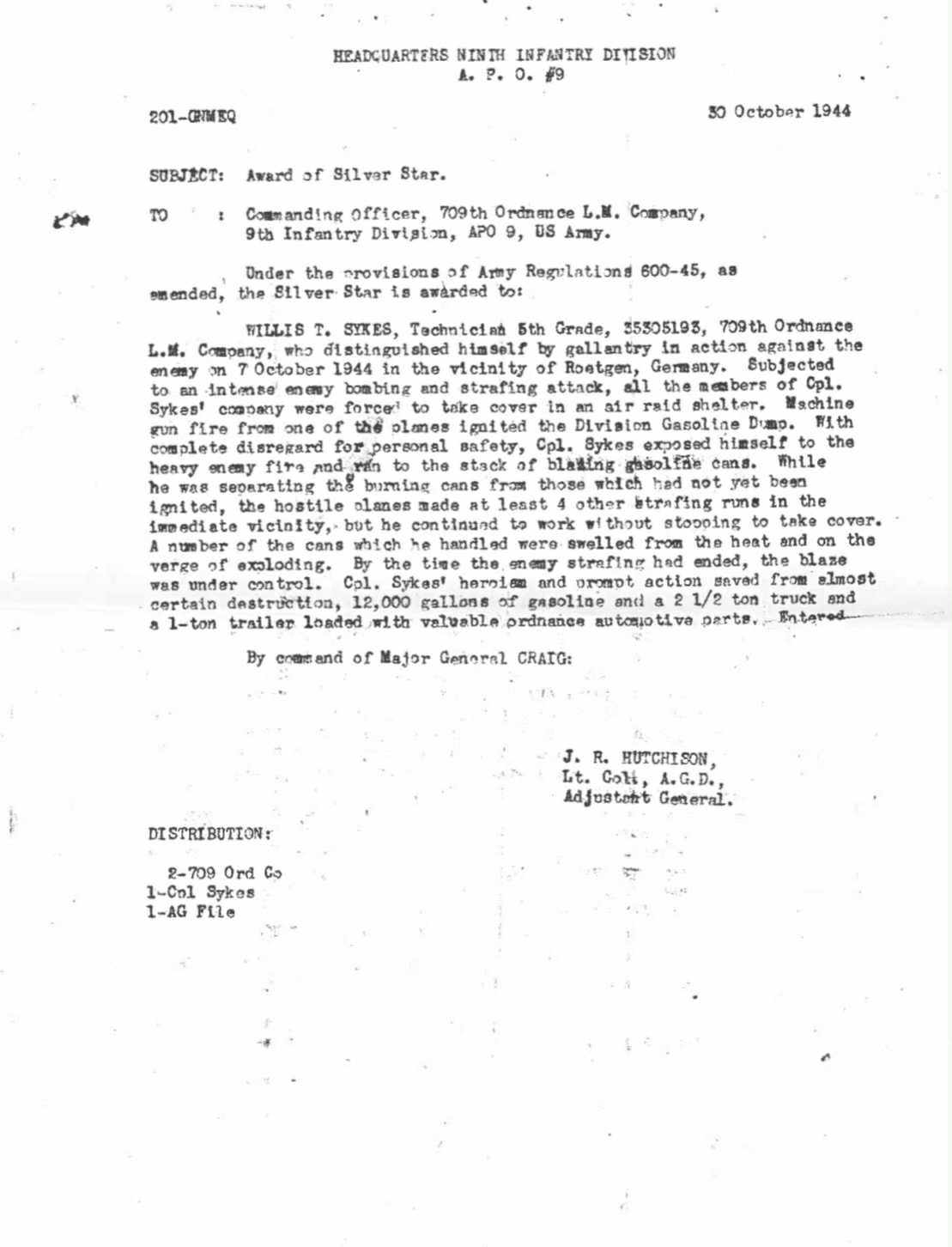
From here, the company moved on towards Germany. After months of fighting through France, Willis moved into western Germany where he camped at Monschau, Roetgen and Allendorf. While at Roetgen, Together with 2 fellow men, Willis was awarded the Silver Star on October 30, 1944 for saving 12,000 gallons of gasoline, a 2 ½ ton truck, and a 1 ton trailer filled with valuable ordnance automotive parts. Willis completed all of this while under fire from enemy bombing and strafing attacks.
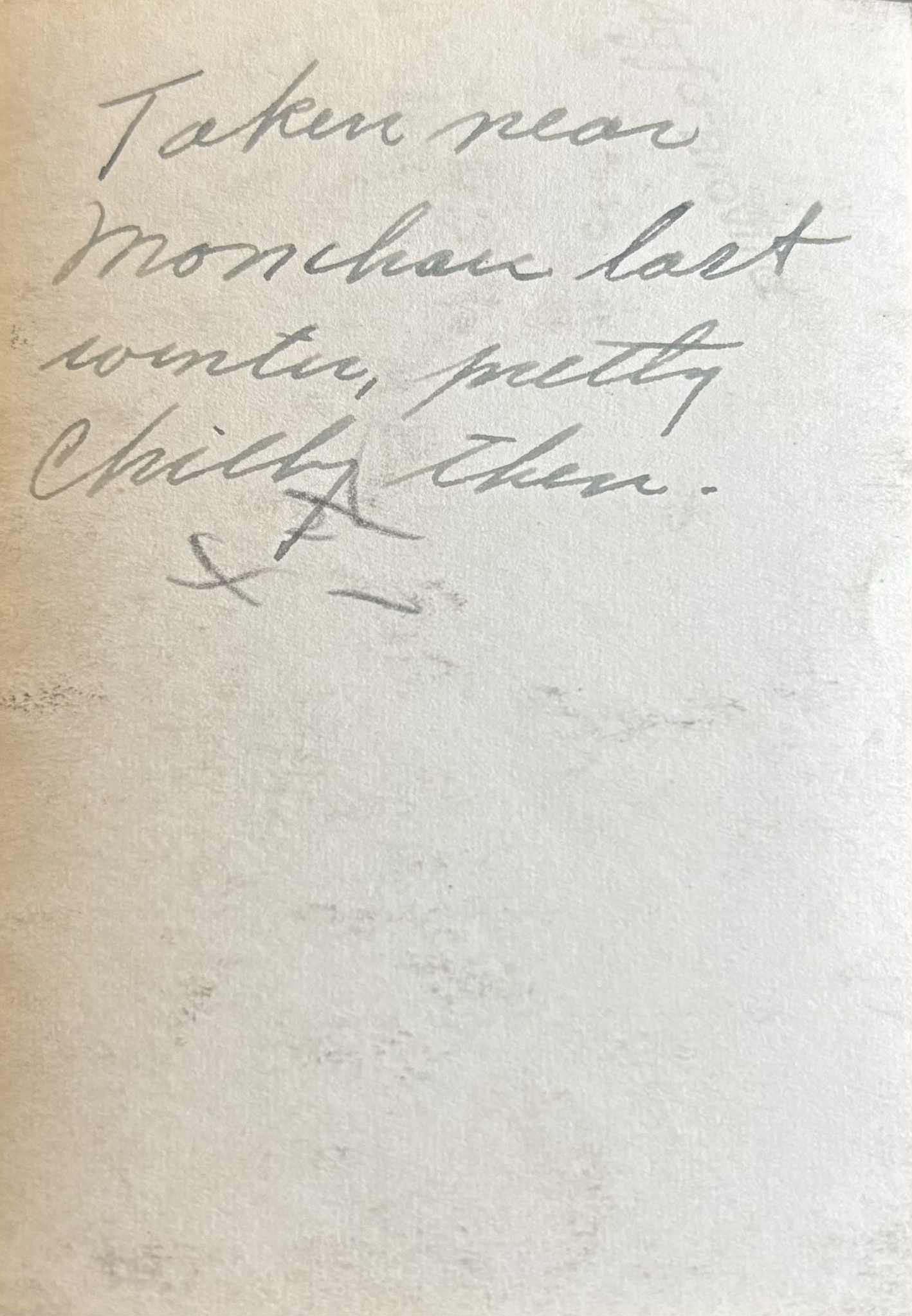
While in Monschau he wrote that it was “pretty chilly then.”
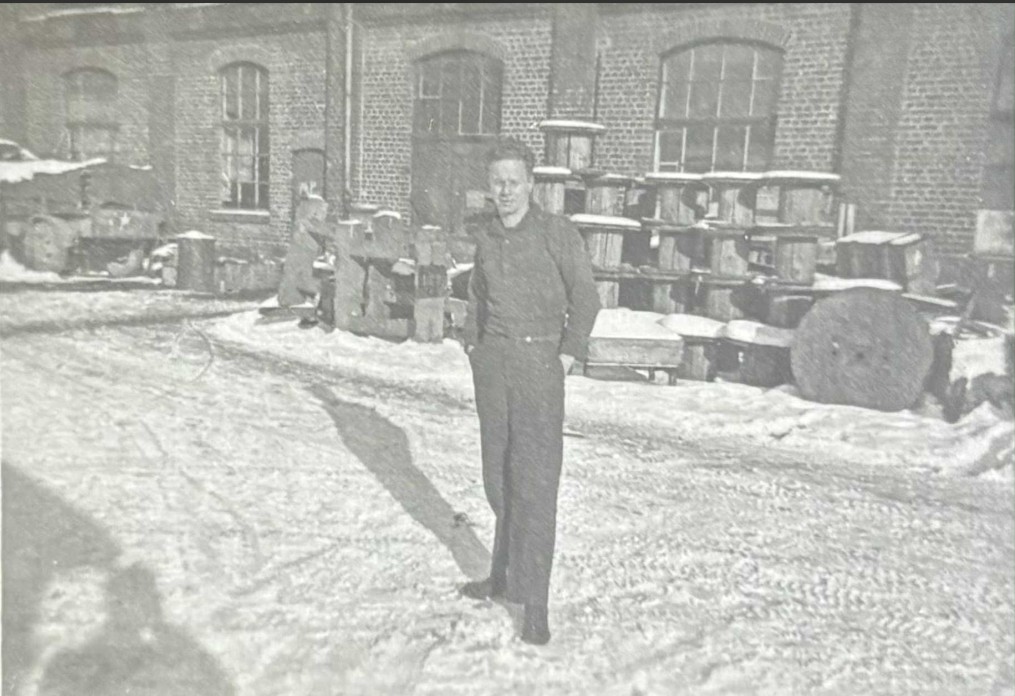
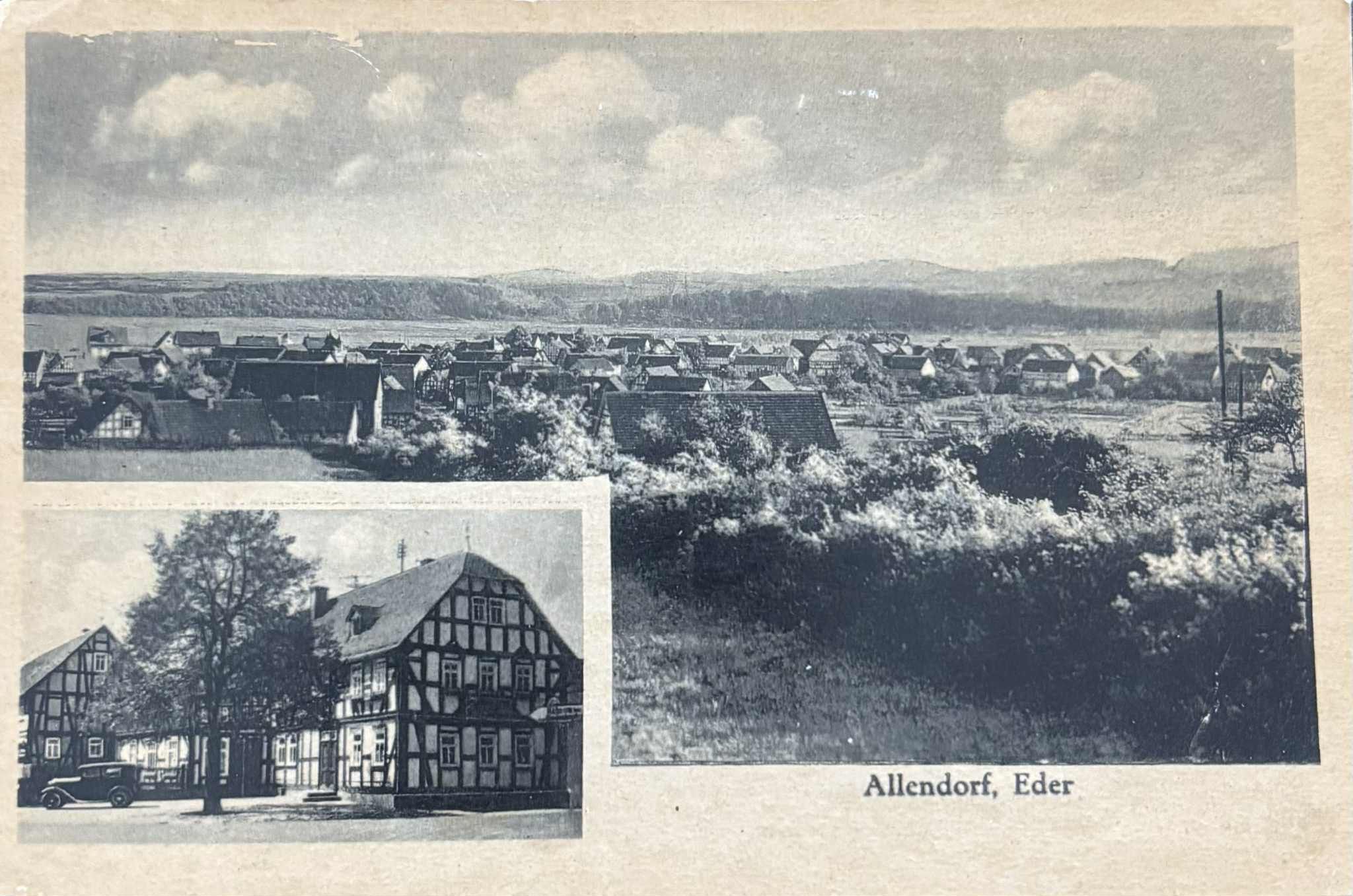
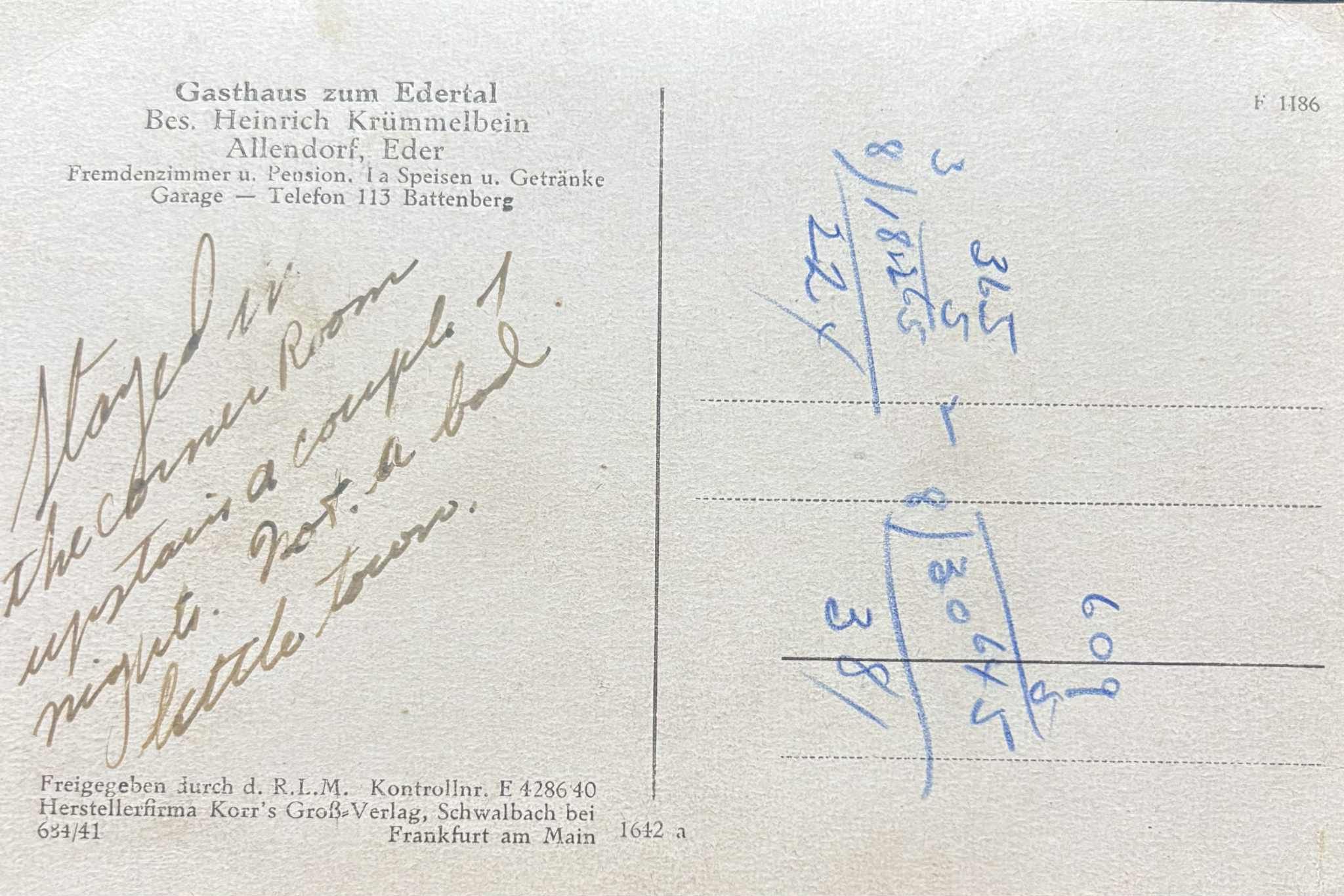
Later in Allendorf he stayed at a local bed and breakfast named the “Gasthaus zum Edertal” where he wrote a postcard describing his time there and what room he stayed in.
As the war ended, the 709th was quartered at Kothen Airport. Almost as soon as the war was over, the company collecting point reported 2000 enemy artillery pieces, 475 enemy vehicles, 15000 bayonets, 10000 rifles, 1000 machine guns and over 60 enemy ammunition dumps that hey had taken custody of.
Moving into permanent quarters at the Special Troop Kaserne, Sheridan Barracks, Augsburg, the company opened shops which qualified them for any repairs the Division might need.
By the end of the war, Willis moved towards eastern Germany and stayed in Kothen Airport, Saxony-Anhalt. In September, 1945 Sykes was sent back to the United States and arrived on the 18th.Later that month on the 29th he was honorably discharged from the Army.
After the war, Sykes spent the rest of his life in Cleveland and passed away on March 7, 1965.
He is buried at Highland Hills Cemetery in east Cleveland with his brother, parents, and grandparents.
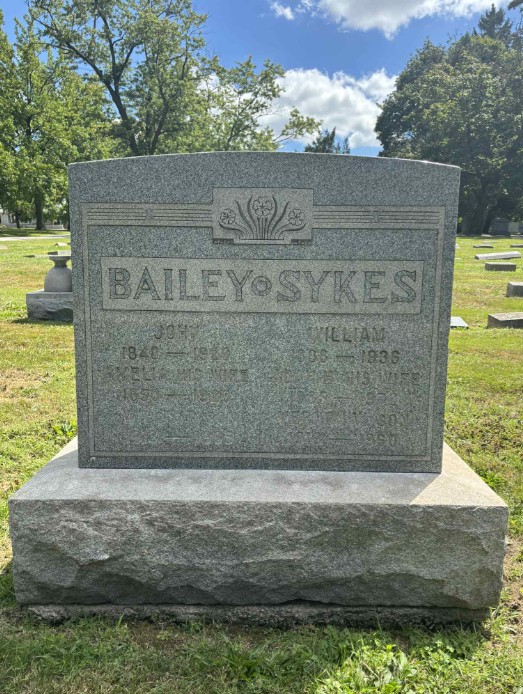
Thanks to men such as T5 Sykes, we can now live in freedom.
We need to remember the actions of these men.
Special thank you to Colton Gorsuch for providing the biography and pictures of Willis.
 9th Infantry Division in WWII